Chimney sweep CT • chimney cleaning CT

Chimney Sweep & Chimney Cleaning in CT

Professional chimney sweeping for fireplaces, wood stoves and venting systems throughout Connecticut.

CT Chimney Repair provides professional chimney sweep and chimney cleaning services in CT for fireplaces, wood stoves, pellet appliances and applicable heating flues. Chimney sweeping and chimney cleaning describe the same core service: removing soot, creosote and debris from the venting system using a method appropriate for the chimney and appliance.

Schedule Chimney Sweep / Cleaning

You do not need to diagnose the chimney yourself. Tell us what you are seeing.

Fireplace & Stove Flues

Cleaning matched to the appliance and venting system.

Protect the Work Area

Drop cloths and filtered vacuum equipment help contain soot and debris.

Clean as Needed

Frequency depends on use, fuel and the deposits present.

Clear Next Step

Call 860-269-0984 or request an estimate online.

Chimney sweep CT

Chimney Sweep and Chimney Cleaning Mean the Same Core Service

Homeowners commonly search for both chimney sweep CT and chimney cleaning CT. In practical terms, both refer to cleaning soot, creosote and debris from the chimney or flue so the venting system can be maintained appropriately.

Professional Chimney Sweeping in Connecticut

A professional chimney sweep is more than simply running a brush through the flue. The service should protect the home, use the proper cleaning method for the chimney and appliance, remove accessible soot and debris, and identify visible conditions that may need additional attention.

Wood-burning fireplace chimney sweeping

Wood stove flue cleaning

Pellet appliance vent cleaning

Applicable heating-flue cleaning

Visible-condition review during service

Looking for a Chimney Sweep Near You?

We provide chimney sweeping and chimney cleaning throughout Central Connecticut and surrounding communities. Tell us what type of fireplace, stove or heating system you have and when it was last serviced.

Common reasons homeowners call

Does Your Chimney Need Cleaning?

Cleaning is not based on the calendar alone. These are common reasons to have a fireplace, stove or flue evaluated for cleaning.

Visible Soot or Creosote

Black or brown deposits are visible in the fireplace or flue.

Strong Fireplace Odor

Smoky or tar-like odor is noticeable even when the fireplace is not in use.

Smoke Entering the Room

The fireplace is not drafting the way it used to.

Debris or Animal Activity

You hear animals, see nesting material or suspect an obstruction.

?

Unknown Service History

You recently bought the home or do not know when it was last serviced.

Heavy Seasonal Use

The fireplace or stove is used often during the heating season.

Cleaning by system type

Chimney Sweep & Chimney Cleaning Services in CT

Our Connecticut chimney sweep services cover fireplaces, wood stoves, pellet appliances and applicable heating flues. Each system can collect different deposits, so the sweeping and cleaning method should match the flue, appliance and buildup present.

Fireplaces

Fireplace Chimney Sweep & Cleaning

Wood-burning fireplaces can accumulate soot and creosote on the flue walls, smoke chamber and accessible fireplace components. Cleaning removes deposits that can restrict the venting pathway, contribute to odor and increase chimney-fire risk.

Solid-fuel appliances

Wood Stove Chimney Sweep & Cleaning

Wood-stove systems can develop deposits based on fuel quality, burn temperature, appliance operation and chimney configuration. The connector, flue and accessible appliance areas are considered so the proper cleaning method can be selected.

Pellet systems

Pellet Stove Flue Cleaning

Pellet appliances create fine ash and require maintenance appropriate to the appliance and venting system. Frequency varies with use, pellet quality and the manufacturer’s maintenance requirements.

Heating-appliance venting

Oil Heating Flue Cleaning

Oil-fired heating systems can leave soot in the connector and chimney flue. When this service applies to the system, cleaning can include accessible vent-pipe and flue areas along with removal of loosened soot and debris.

Condition matters

Cleaning With a Visible-Condition Review

Routine cleaning is also an opportunity to notice accessible concerns such as damaged firebrick, deteriorated mortar, debris, visible liner defects, water staining or other conditions that may justify further evaluation.

Gas venting

Gas Flue & Venting Concerns

Gas appliances do not produce wood-burning creosote, so they should not automatically be treated like fireplace chimneys. When a gas-venting concern exists, the better first step is to evaluate for blockage, debris, deterioration, sizing or other venting conditions and clean only when necessary.

Maintenance guidance

How Often Should a Chimney Be Swept or Cleaned?

There is no single cleaning interval that is correct for every chimney. Use, fuel, appliance type, burning habits and the deposits present all affect how quickly a flue becomes dirty.
Regular inspection is the best way to determine when cleaning is necessary. Wood-burning systems that are used heavily or develop creosote quickly may need more frequent service than lightly used fireplaces.

Wood-Burning Fireplace

Inspect regularly and clean when soot, creosote or obstruction makes cleaning necessary.

Wood Stove

Burning habits, wood moisture, appliance operation and chimney temperature influence buildup.

Pellet Appliance

Follow appliance maintenance requirements and clean the venting system according to use and ash accumulation.

Heating Flues

Service needs differ by fuel and appliance. Evaluate the venting condition instead of applying a fireplace-cleaning schedule to every system.

What to expect

Our Chimney Sweep & Cleaning Process

The exact method depends on the appliance and flue, but the service should remain orderly, protective of the home and focused on the complete venting path.

1

Review the System

Confirm the fireplace, stove or appliance being serviced and evaluate access.

2

Protect the Area

Set clean drop cloths and dust-control equipment around the work area.

3

Clean the Flue

Use brushes, rods or other appropriate professional cleaning methods.

4

Remove Debris

Vacuum loosened soot, ash and accessible debris while keeping the work area contained.

5

Review Visible Conditions

Point out accessible conditions that may warrant repair, inspection or additional service.

Helpful photos before the visit

Show Us Your Fireplace or Stove

Photos are optional, but they can help us identify the system and arrive better prepared.
Fireplace Chimney Sweep & Cleaning

Full Fireplace View

Show the entire opening, hearth and surrounding area.

Fireplace Chimney Sweep & Cleaning

Inside the Firebox

Show soot, ash, firebrick and the damper area if visible

Stove / Appliance

If applicable, show the whole appliance and connector pipe.
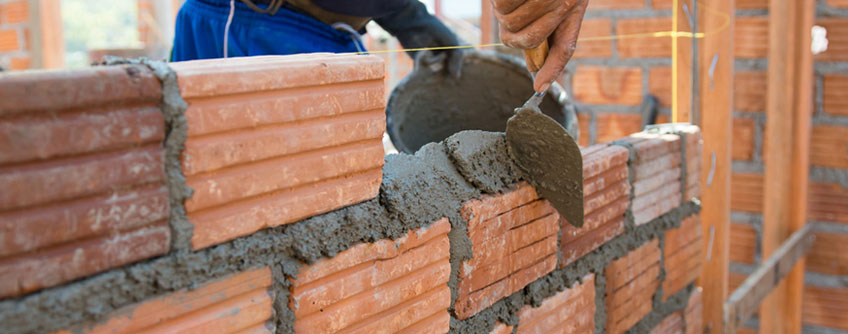
Exterior Chimney

A ground-level exterior photo can help identify chimney type and access.

Request Chimney Cleaning

Tell us what system you have and anything you have noticed. Photos are optional.
Safety first: do not climb onto the roof or use an unsafe ladder just to obtain photos or measurements. Send what you can safely see from accessible areas.
Not sure what to send? Start with one clear full-chimney photo.  

A cleaner service experience

What a Professional Chimney Cleaning Should Accomplish

The goal is not simply to push a brush through the flue. The service should remove the deposits the cleaning method is designed to address, protect the surrounding room, clear accessible debris and leave the homeowner with a better understanding of visible chimney conditions.

Protect furniture, flooring and the immediate fireplace area.

Use filtered vacuum equipment to help contain loosened soot and ash.

Match the brush or mechanical method to the flue and deposit type.

Remove accessible soot, ash and debris from the system.

Identify visible concerns that may need repair or further inspection.

New Home or Unsure When It Was Last Cleaned?

If you recently purchased the home or do not know the maintenance history, tell us what appliance you have and how the chimney is being used. We can help determine the appropriate next step.

Helpful chimney cleaning answers

Chimney Sweep & Chimney Cleaning FAQs

Yes. Homeowners often use “chimney sweep” and “chimney cleaning” interchangeably. Both generally refer to removing soot, creosote and debris from the chimney or flue using an appropriate professional cleaning method.
The method depends on the system. Service can include protecting the work area, cleaning the firebox and accessible fireplace areas, sweeping the flue, removing soot and debris, and reviewing visible chimney conditions.
Not always. Hard or glazed deposits can require a different mechanical cleaning method or treatment than ordinary soot and common creosote deposits. The deposit type should be evaluated before choosing the cleaning method.
There is no single Connecticut cleaning schedule that fits every chimney. Use, appliance type, wood quality, burning habits and the deposits present all matter. Regular inspection helps determine when sweeping or cleaning is necessary.
A visible-condition review is useful during routine cleaning because accessible damage, blockage, liner concerns, water staining or other issues may become apparent. The appropriate inspection level depends on the circumstances and the chimney system.
There is no single interval that fits every chimney. Cleaning needs depend on the appliance, fuel, amount of use, burning habits and the deposits or obstructions present. Regular inspection helps determine when cleaning is necessary.
The work area should be protected with clean coverings and appropriate vacuum equipment so loosened soot and debris remain contained during the cleaning process.
Gas appliances do not create wood-burning creosote. Venting should still be evaluated for blockage, debris, deterioration, sizing and other conditions, with cleaning performed when it is actually needed.
Removing soot and creosote can reduce one source of fireplace odor, but odor can also be affected by moisture, airflow, negative pressure, animal debris or other conditions. Persistent odor may require further evaluation.
Yes. Photos of the full fireplace or stove, inside the firebox, connector pipe if present and exterior chimney can help identify the system before the visit.

Related chimney services

When Cleaning Reveals Another Chimney Concern

Cleaning and repair pages should support one another so homeowners can easily move to the service that matches the condition found.

Visible Soot or Creosote

Black or brown deposits are visible in the fireplace or flue.

Chimney Liners & Relining

Flue and venting solutions when an existing liner is damaged, missing or unsuitable.

Chimney Caps & Chase Covers

Top-of-chimney protection for rain, debris and animal-entry concerns.

Chimney Inspections

Condition evaluation when routine cleaning is not enough to answer the question.

Schedule chimney service

Ready to Have Your Chimney Cleaned?

Tell us what fireplace, stove or heating system you have, when it was last serviced and anything you have noticed. We’ll help determine the right next step.

☎ 860-269-0984

Request a Chimney Estimate

Complete the form below and we’ll follow up about your chimney service needs.
Scroll to Top

Request an estimate

Tell Us About Your Chimney

This interactive prototype demonstrates the lead flow. No information will be submitted.