
Chimney waterproofing CT • breathable water repellent
Chimney Waterproofing in Connecticut
Reduce water absorption with a premium-grade breathable siloxane-based masonry water repellent.
- ✓ Premium-grade siloxane-based
- ✓ Breathable / vapor-permeable
- ✓ Penetrating water protection
What Are You Seeing?
💧
Reduce Absorption
Help limit liquid-water entry through suitable exterior masonry.
◌
Breathable Protection
Vapor-permeable treatment allows normal moisture vapor to escape.
🧱
Repair First
Cracks, open joints and crown defects should be corrected before treatment.
☎
Clear Next Step
Call 860-269-0984 or request an estimate online.
Why masonry water protection matters
Why Connecticut Chimneys Absorb Water
🧱
Spalling Brick
Water-saturated masonry can become more vulnerable to freeze-thaw damage and loss of the brick face.
≈
Efflorescence
White mineral staining can indicate that moisture has been moving through the masonry and carrying soluble salts to the surface.
⋮
Mortar Deterioration
Open or deteriorated mortar joints can admit more water and reduce the effectiveness of any surface water-protection treatment.
▰
Crown Exposure
A cracked or failed crown can introduce water from the top of the chimney and should be repaired before water repellent is applied.
💧
Wind-Driven Rain
Exposed chimney walls can absorb substantial moisture during heavy rain, especially on taller chimneys above the roofline.
❄
Freeze-Thaw Cycles
Connecticut weather repeatedly moves masonry through wet, freezing and thawing conditions that can accelerate deterioration.
Our product standard
Premium-Grade Breathable Siloxane-Based Water Repellent
What “Breathable” Means
Penetrating masonry protection
Siloxane-Based Chimney Water Repellent
- Premium-grade product only
- Breathable / vapor-permeable
- Penetrating rather than paint-like
- Designed to reduce water absorption through suitable masonry
- Applied only after needed defects are addressed
Exterior masonry protection
Exterior masonry protection
Protect completed repairs
Water Repellent After Chimney Repair
Part of a complete system
Crown, Cap & Masonry Protection
Water repellent is not a repair material
Repair the Defects Before Applying Water Repellent
Open Mortar Joints
Repoint deteriorated joints before applying water repellent.
Spalled Brick
Replace materially damaged brick rather than coating over failed surfaces.
Cracked Crown
Repair or replace the crown when the top-of-chimney concrete is substantially failed.
Flashing / Cap Issues
Water repellent cannot substitute for proper roof flashing or top protection.
Clear terminology
Waterproofing vs. Water Repellent
What We Mean by “Chimney Waterproofing”
Reducing the amount of rainwater absorbed through suitable exterior masonry while preserving vapor permeability.
- Premium-grade siloxane-based treatment
- Penetrating application
- Reduced liquid-water absorption
- Natural-looking finish rather than a painted surface
What We Do Not Mean
We are not trying to encapsulate the chimney in an impermeable coating or hide unresolved defects.
- Not a substitute for repointing
- Not a repair for crown cracks
- Not a replacement for flashing
- Not a guarantee against every possible source of chimney leakage
Clear expectations
Our Chimney Waterproofing Process
1
Evaluate the Masonry
Review brick, mortar, crown, staining and visible water-entry conditions.
2
Complete Needed Repairs
Correct failed mortar, damaged brick, crown defects or other repair items before treatment.
3
Allow Proper Cure / Drying
Repair materials and masonry need appropriate cure and surface conditions before application.
4
Apply Premium Water Repellent
Apply the breathable siloxane-based treatment to suitable exterior masonry according to the product requirements.
Helpful waterproofing photos
Show Us the Masonry & Water Symptoms
- ✓ Take one full exterior chimney photo.
- ✓ Show close-ups of white staining, spalling brick or deteriorated mortar.
- ✓ If there is a leak, photograph where moisture or staining appears inside the home.
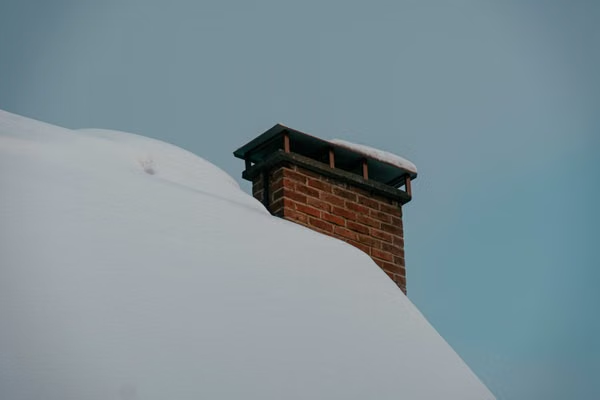
Full Chimney View
Show the chimney from the roofline upward whenever possible.
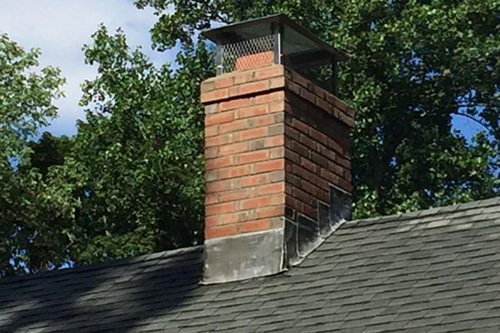
Water / Staining Detail
Show efflorescence, dark staining or visibly saturated areas.
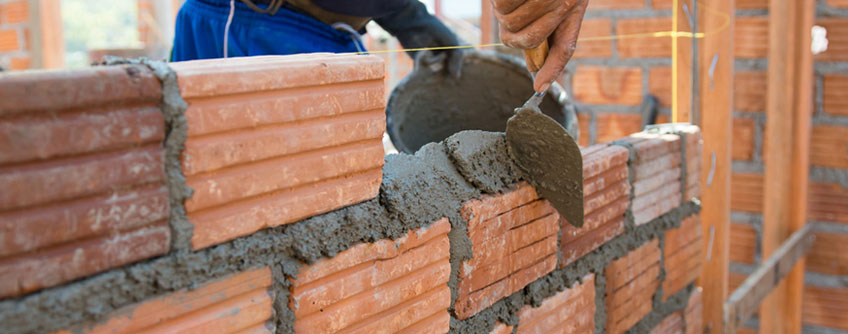
Brick & Mortar Damage
Close-ups help determine whether repair should come before treatment.
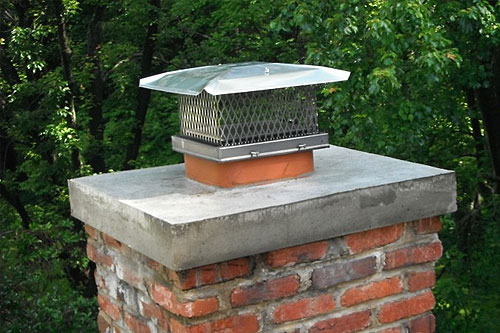
Crown / Chimney Top
If safely visible, show the crown, cap and upper masonry.
Request Chimney Waterproofing
Central Connecticut service area
Chimney Waterproofing Near You
Not Sure Whether the Chimney Needs Repair First?
Helpful water-protection answers
Chimney Waterproofing FAQs
What type of chimney water repellent do you use?
Is chimney waterproofing the same as sealing the brick?
Should damaged brick or mortar be repaired first?
Why is siloxane used on masonry?
What type of chimney water repellent do you use?
Is chimney waterproofing the same as sealing the brick?
Should damaged brick or mortar be repaired first?
Why is siloxane used on masonry?
What does breathable or vapor-permeable mean?
Can water repellent stop every chimney leak?
Will the treatment change the color of my chimney?
Can I send photos before scheduling?
Related chimney services
Related Chimney Water-Protection Services
Chimney Repair
Brick replacement, repointing, crown repair and rebuilding before water-repellent treatment.
Caps & Chase Covers
Top-of-chimney protection against rain, debris and water entering through failed metalwork.
Chimney Inspections
Evaluation when water entry, venting or structural conditions are uncertain.
Chimney Liners
Relining and venting systems when the existing flue is damaged or unsuitable.