Chimney repair in Connecticut • est. 2003

Chimney Repair in Connecticut

Repair deteriorated masonry before water and freeze-thaw damage spread.

Cracked crowns, spalling brick, missing mortar, staining and recurring chimney leaks are signs that the masonry or water-protection system may need attention. CT Chimney Repair provides practical repair options ranging from localized masonry work to partial or complete chimney rebuilding.

What Do You Need Help With?

You do not need to diagnose the chimney yourself. Tell us what you are seeing.

🧱

Masonry Repair

Brick, mortar, crowns and chimney structure.

Repair or Rebuild

Choose the scope that fits the actual condition.

💧

Water Protection

Address damage and likely water-entry contributors together.

Clear Next Step

Call 860-269-0984 or request an estimate online.

Problem-first content

Signs Your Chimney May Need Repair

Homeowners usually notice a symptom before they know the repair name. Click the issue that looks most familiar.

🧱

Spalling Brick

Brick faces are flaking, cracking or falling off the chimney.

Missing Mortar

Joints are cracked, washed out, loose or visibly deteriorated.

Cracked Crown

Visible crown cracking, deterioration or separation at the top.

💧

Recurring Chimney Leak

Water stains, dripping, damp masonry or interior moisture.

White Staining

Efflorescence, discoloration or moisture staining on the brick.

Leaning or Movement

Brickwork appears displaced, bowed or structurally compromised.

Dedicated repair services

Chimney Repair Services

Our chimney repair services address the most common masonry, water-entry, crown, flashing, liner and structural concerns homeowners encounter.

Brick & structural masonry

Chimney Rebuilding

When masonry deterioration is widespread, rebuilding can be a better long-term solution than repeatedly repairing individual areas. The rebuild may involve the upper chimney only, a larger partial section or the complete chimney depending on the condition found.

Top-of-chimney protection

Chimney Crown Repair & Replacement

Small, appropriate crown defects may sometimes be repairable with resurfacing. More substantial cracking, separation or deterioration can require complete crown removal and replacement with a properly formed cement crown.

Mortar restoration

Chimney Repointing

Repointing removes deteriorated mortar from the joints and replaces it with a compatible mortar. It is most useful when the brick itself remains in serviceable condition and the primary deterioration is in the joints.

After the masonry is corrected

Chimney Waterproofing

A professional-grade breathable masonry water repellent can help reduce water absorption after appropriate defects are repaired and the masonry has cured. Waterproofing should not be used to cover over failed mortar, cracked crowns or active structural deterioration.

Roof-to-chimney transition

Chimney Flashing & Counter-Flashing

Leaks near the roofline may involve the flashing system, but not every chimney leak is caused by flashing. The masonry, crown, cap and roof-to-chimney intersection should be considered before deciding what repair is appropriate.

Flue & venting system

Chimney Liners & Relining

A damaged, deteriorated or improperly sized flue liner can affect how a fireplace or heating appliance vents through the chimney. When appropriate, a stainless-steel chimney relining system can provide a new venting pathway inside the existing chimney.

Complete water-management approach

Caps, Crowns & Related Repairs

When top-of-chimney components are undersized, deteriorated or missing, replacing them while performing masonry repair can help protect the repaired work from continued water exposure.

Connecticut masonry conditions

Repair the Cause — Not Just the Visible Damage

Chimney masonry problems often overlap. Spalling brick may be connected to long-term moisture exposure. Failed mortar can provide additional water paths. A cracked crown can allow water into the upper chimney, while an unrelated roof or flashing issue can create a similar interior leak symptom.
The stronger repair strategy is to identify which components are actually contributing to the problem and address them in the right order.

Crown

Cracks or failed construction can expose masonry below.

Brick & Mortar

Absorbed moisture and freeze-thaw cycles can accelerate deterioration.

Cap / Chase Cover

Missing or failed top protection can increase water exposure.

Flashing Area

Roof-to-chimney transitions should be evaluated when leakage is present.

Real project evidence

Show the Repair - Not Just the Service Name

Before-and-after project photos help homeowners understand the condition found, the repair performed and the quality of the finished work.

Repair May Make Sense When…

The damage is localized and the surrounding masonry remains sound.

Rebuilding May Make Sense When…

The deterioration is widespread enough that small repairs would leave too much compromised masonry in place.

Project proof

Show Homeowners What Was Actually Repaired

Before-and-after project photos help homeowners understand the type of damage found, the repair performed and the quality of the finished masonry work.

Recent Project Example:

Problem: deteriorated brick and open mortar joints. Repair: damaged masonry removed and rebuilt, joints restored and top-of-chimney water protection corrected as required.

Clear expectations

Our Chimney Repair Process

You do not need to diagnose the chimney yourself. Start with what you can see, then send photos that help us understand the project.

1

Tell Us What You’re Seeing

Share the problem, your town and a few photos when helpful.

2

We Evaluate the Chimney

Determine which chimney components appear involved and whether repair or rebuilding is the better direction.

1

Receive a Clear Recommendation

Understand what we recommend repairing, why, and what the next step will be.

Helpful repair photos

Show Us the Chimney Safely

A few clear photos can help us understand the visible repair concern before we contact you.

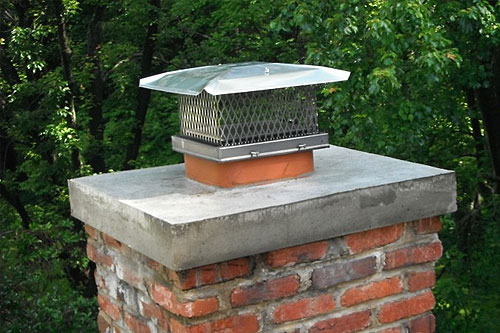
Full Chimney View

Stand back and show the chimney from the roofline upward whenever possible.
Full Chimney View

Stand back and show the chimney from the roofline upward whenever possible.
Full Chimney View

Stand back and show the chimney from the roofline upward whenever possible.
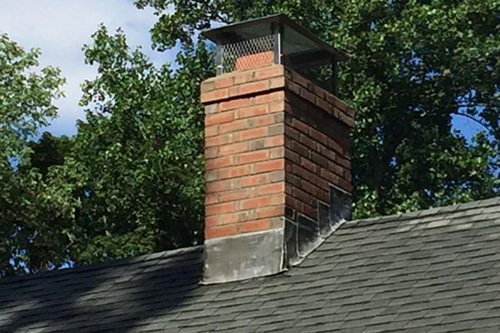
Full Chimney View

Stand back and show the chimney from the roofline upward whenever possible.

Send Us Your Chimney Repair Details

You do not need to know the repair terminology. Tell us what you see and upload photos if available.
Safety first: do not climb onto the roof or use an unsafe ladder just to obtain photos or measurements. Send what you can safely see from accessible areas.
Not sure what to send? Start with one clear full-chimney photo.  

Not Sure If It Needs Repair or Rebuilding?

That is exactly what the evaluation is for. A homeowner should not have to decide whether the answer is repointing, brick replacement, crown replacement or rebuilding before asking for help.

Helpful Chimney Repair Answers

Common Chimney Repair Questions

Moisture entering the masonry and repeated freeze-thaw cycles are common contributors. Brick quality, age, crown condition, mortar deterioration and previous repairs can also affect how the chimney weathers.
Repointing removes deteriorated mortar from the joints and replaces it with compatible mortar. It is most appropriate when the brick remains sound and the primary deterioration is in the mortar joints.
Yes. Water can enter through the crown, cap, masonry, mortar joints and other areas. Flashing is only one part of the overall water-management system around a chimney.
Duration depends on access, height, extent of deterioration, curing requirements and whether the work is localized repair, partial rebuilding or a larger reconstruction.
Yes. Clear photos of the full chimney, the top, visible masonry damage and any interior leak evidence can help begin the conversation before an on-site evaluation is arranged.
Some limited crown defects may be candidates for resurfacing, while widespread cracking, separation, poor construction or advanced deterioration can make complete crown replacement the better option.
Rebuilding may make more sense when deterioration affects multiple brick courses, large areas of masonry are compromised, the chimney shows movement, or small repairs would leave too much damaged material in place.
A breathable masonry water repellent can be considered after appropriate repairs and curing when the masonry is suitable. It should not be used as a substitute for repairing failed mortar, crowns or structurally damaged masonry.
Relining may be considered when an existing flue liner is damaged, missing, deteriorated, improperly sized, or when a fireplace or heating appliance requires a different venting configuration. The correct liner size and system depend on the appliance, fuel type, chimney construction and installation requirements.

Primary conversion point

Seeing Chimney Damage?

Cracked crowns, spalling brick and deteriorated mortar usually become more expensive when water exposure and freeze-thaw cycles continue. Start with what you can see and get a clear repair recommendation.

☎ 860-269-0984

Request a Chimney Repair Estimate

Complete the form below and we’ll follow up about your chimney repair needs.
Scroll to Top

Request an estimate

Tell Us About Your Chimney

This interactive prototype demonstrates the lead flow. No information will be submitted.