Chimney liner CT • chimney relining CT

Chimney Liners & Relining in Connecticut

Properly sized venting systems for fireplaces, stoves and compatible heating appliances.

A chimney liner forms the venting pathway inside the chimney. When an existing flue is missing, damaged, deteriorated or incorrectly sized, a properly selected liner system can restore a suitable route for combustion gases while helping protect the surrounding chimney structure.

What Needs to Be Relined?

Tell us what the chimney serves and what you know about the existing flue.

Listed Liner Systems

Use components designed and listed for the intended application.

Correct Sizing Matters

Diameter and configuration must match the appliance and chimney.

Fuel-Specific Materials

The alloy and system are selected for the fuel and venting conditions.

Clear Next Step

Call 860-269-0984 or request an estimate online.

Common relining reasons

4 Reasons a Chimney May Need to Be Relined

The older CT Chimney Repair page identified four useful reasons for relining. Those remain good starting points, but the final decision should be based on the chimney condition, appliance and installation requirements.

1

The Chimney Is Unlined

Older masonry chimneys may have no flue liner or may no longer have a complete, serviceable lining system.

2

The Existing Liner Is Damaged

Cracked clay tiles, missing sections, open joints or other deterioration can compromise the existing flue.

3

The Flue Is the Wrong Size

An oversized or undersized flue can affect draft and venting performance, especially after an appliance change

4

A New Appliance Requires It

A replacement boiler, furnace, stove or insert may require a venting system sized and approved for the new appliance.

Chimney liner applications

Chimney Liner & Relining Services

One liner does not fit every chimney. Fuel type, appliance output, flue height, chimney construction, connector configuration and manufacturer requirements all influence the correct system.

Stainless-steel systems

Stainless-Steel Chimney Relining

Stainless-steel liners are commonly used to reline existing masonry chimneys. The liner diameter, alloy, insulation and connection components are selected for the appliance and fuel being vented.

Fireplace applications

Fireplace Chimney Liners

Fireplace flues can require relining when clay tiles are cracked, missing, deteriorated or otherwise unsuitable. Fireplace applications must be sized to the fireplace and venting configuration rather than simply matching the old flue dimensions.

Solid-fuel appliances

Wood Stove & Pellet Appliance Liners

Wood and pellet appliances commonly vent through listed liner systems sized for the appliance. Proper connection, liner diameter, insulation and termination are important to system performance and installation compliance.

Heating appliance venting

Oil, Gas & Propane Appliance Relining

Heating appliances can require relining when the masonry chimney is oversized, deteriorated or incompatible with the appliance. The liner must be selected for the fuel, appliance input and venting requirements.

Existing flue problems

Damaged Clay Flue Tile Solutions

Cracked or deteriorated clay tiles do not automatically tell you which repair method is best. The chimney height, appliance, flue condition and access determine whether a stainless-steel relining system is an appropriate solution.

Complete liner termination

Top Plates, Caps & Liner Components

A complete relining project includes the correct top termination and appliance connection components. The cap, top plate, storm collar or other components depend on the liner system and chimney configuration.

Sizing and insulation

A Chimney Liner Must Match the Appliance

Relining is not simply a matter of dropping a metal tube down the chimney. The liner needs to be sized for the fireplace or appliance, selected for the fuel being burned and installed as part of a listed venting system.
Insulation can also be an important part of a relining project. Whether it is required depends on the listed liner system, chimney construction, clearances and application.

Diameter

Correct sizing supports proper draft and appliance venting.

Alloy

The stainless-steel material must be compatible with the fuel and venting conditions.

Insulation

Wrap or pour-in insulation may be required depending on the system and installation.

Connections

Adapters, tees, connectors and terminations must match the appliance and listed liner components.

Decision support

Repair the Existing Flue or Install a New Liner?

The right answer depends on the type and extent of the existing flue damage and what the chimney serves.

Existing Flue Repair May Be Considered When…

The defect is limited, accessible and the original flue remains appropriate for the appliance.

Relining May Make More Sense When…

The existing flue is missing, substantially damaged, poorly sized or no longer suitable for the appliance.

Complete chimney service hub

Our Chimney Services

Our chimney services cover repair, rebuilding, cleaning, chimney liners and relining, caps, chase covers, dampers, waterproofing, inspections and related fireplace work.

1

Identify the Appliance

Confirm the fireplace, stove or heating appliance and gather relevant appliance information.

2

Evaluate the Existing Flue

Review the chimney, flue condition, size, height, access and connection points.

3

Select the Liner System

Determine the appropriate liner diameter, alloy, insulation and connection components.

4

Install & Terminate

Install the liner and complete the appliance connection and top termination for the selected system.

Helpful photos before the estimate

Show Us the Chimney & Appliance

Photos can help identify the chimney type, appliance connection and visible access before we contact you.
Oil Heating Flue Cleaning

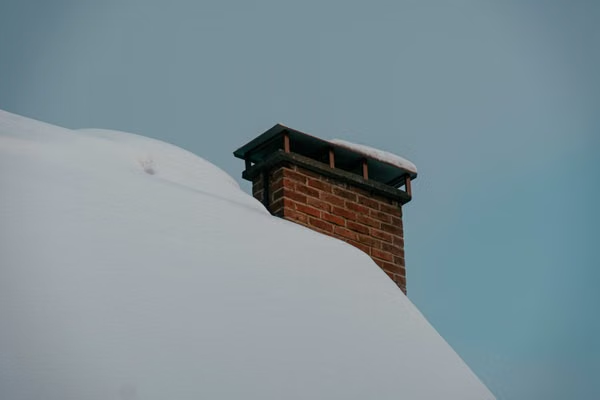
Full Chimney View

Show the exterior chimney and roofline from a safe location.
Fireplace Chimney Sweep & Cleaning

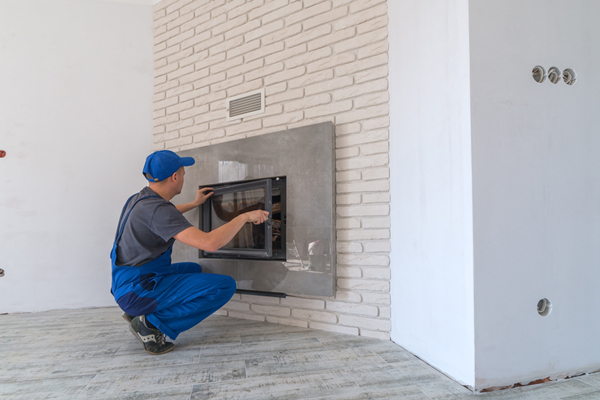
Fireplace / Appliance

Show the appliance the liner will serve.
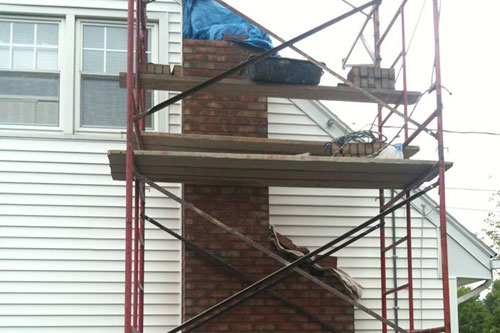
Existing Liner / Connection

If visible, show the flue opening, thimble or connector area.
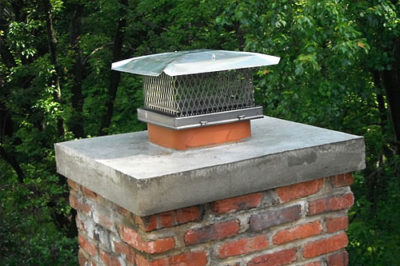
Chimney Top

A safe ground-level or window view of the cap and flue can be helpful.

Request a Chimney Liner Estimate

Tell us what the chimney serves and anything you know about the existing liner. Photos are optional.
Safety first: do not climb onto the roof or use an unsafe ladder just to obtain photos or measurements. Send what you can safely see from accessible areas.
Not sure what to send? Start with one clear full-chimney photo.  

Not Sure Which Chimney Service You Need?

Before-and-after project photos help homeowners understand the condition found, the repair performed and the quality of the finished work.

Helpful Chimney Service Answers

Common Chimney Service Questions

The service hub covers chimney repair and rebuilding, cleaning, chimney liners, caps and chase covers, dampers, waterproofing and water protection, inspections, plus related fireplace repair and restoration services.
Water can enter through more than the roof flashing. The crown, cap, masonry, mortar joints and other areas can all contribute, so leak diagnosis should consider the complete chimney system.
Relining may be considered when an existing flue liner is damaged, missing, deteriorated, improperly sized, or when a fireplace or heating appliance requires a different venting configuration. The correct liner system depends on the appliance, fuel type, chimney construction and installation requirements.
In many situations a breathable masonry water repellent can be considered after appropriate repairs and curing. It should not be used as a substitute for fixing cracked crowns, failed mortar or other physical defects.
Localized deterioration may be repairable, while widespread spalling, movement or extensive mortar and brick failure may make partial or complete rebuilding the better long-term option. The condition needs to be evaluated before deciding.
Relining may be considered when an existing flue is damaged, missing, incorrectly sized or when a new appliance requires a different venting configuration.
Many masonry chimneys benefit from an appropriately sized cap to help limit rain, debris and animal entry. Wood-framed chimney chases often use a fabricated metal chase cover instead of a masonry crown.

Clear Next Step

Something Wrong With Your Chimney?

You do not need to know whether the answer is repointing, rebuilding, a new liner, a chimney cap or water protection before contacting us. Start with the symptom and we’ll help point you in the right direction.

☎ 860-269-0984

Request a Chimney Estimate

Complete the form below and we’ll follow up about your chimney service needs.
Scroll to Top

Request an estimate

Tell Us About Your Chimney

This interactive prototype demonstrates the lead flow. No information will be submitted.